

Call on Teaching Innovation Projects
Call 2026 - Call 2026 – Rethinking university teaching: internationalisation, diverse teaching approaches and participatory teaching
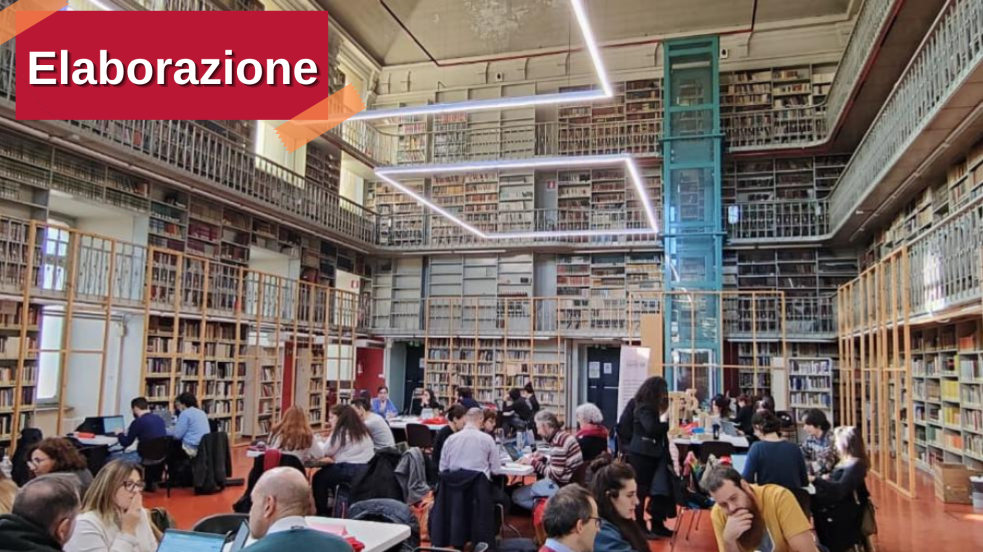
Call 26 follows on from previous editions (Call 23 and Call 24), opening up a new forum for discussion to promote ideas, skills and project visions capable of making a tangible contribution to the renewal of university teaching. Taking part therefore means proposing solutions, building networks and shaping experiences capable of having a real impact on the quality of education.
The Call focuses on four main themes:
- The internationalisation of study programmes and teaching practices;
- The promotion of diverse, inclusive teaching approaches that take into account the diversity of contexts, needs and learning styles;
- The development of participatory teaching methods, based on the active involvement of various members of the university community;
- The promotion of accessibility as a cross-cutting criterion in the design, delivery, use and evaluation of educational activities.
Full details are set out in the Call for Proposals.
Participation in the call for proposals is open to groups comprising members of the University of Turin’s academic community and staff or students from foreign universities belonging to the UNITA network.
Each group must consist of a minimum of 3 and a maximum of 8 people, including the contact person. Members may include academic staff, technical and administrative staff, non-tenured staff and students from the University of Turin, as well as academic staff, technical and administrative staff and students from universities in the UNITA network.
Group composition
Each group must include at least one student. It is also necessary to include at least one member of the University’s technical and administrative staff or non-tenured staff.
Members from universities within the UNITA network are counted both in the total number of members and in the group’s composition.
Each group must appoint a contact person responsible for submitting the application, liaising with the TLC and coordinating activities.
The project proposal must be submitted by the contact person for each group by completing the designated form starting from 5 october until 12.00 on 9 November 2026.
The application must include:
- the first name and surname, role, affiliation and email address of the group’s contact person;
- the first name and surname, role, affiliation and email address of each group member;
- an indication of the category to which each member belongs, in accordance with Article 3 of this call for proposals;
- the name of the group;
- a brief abstract of the project (max. 1,000 characters, including spaces);
- the educational innovation project form;
- details of any partners, collaborators or other parties involved in the implementation of the project, specifying their intended role.
The Teaching and Learning Centre will verify that applications are complete and comply with the specified requirements; incomplete, late or non-compliant applications may be excluded.
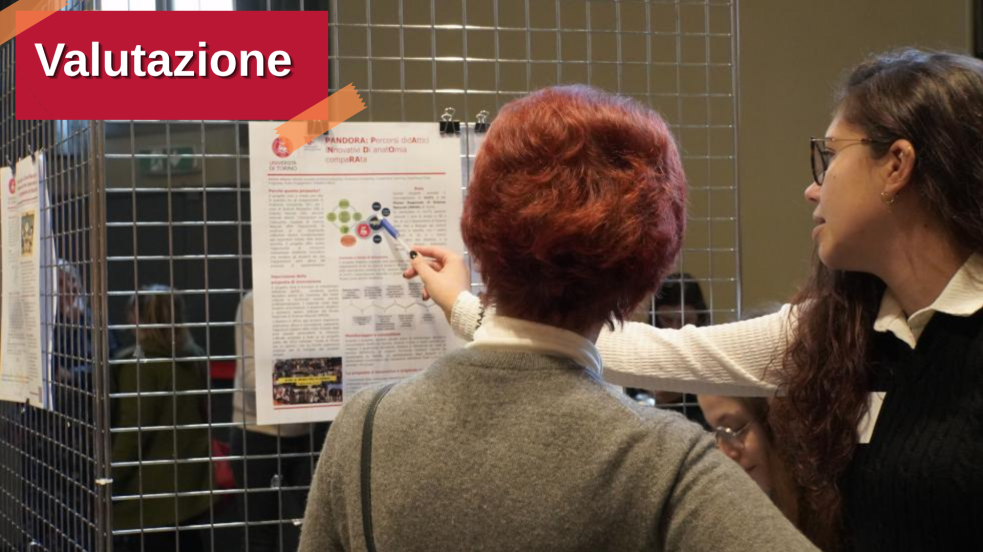
The submitted projects will be assessed by a Committee appointed by the Executive Board on a 35-point scale with no cut-off threshold.
Proposals that pass the first stage of assessment (a maximum of 20) will be shortlisted for the public presentation event on 3 December.
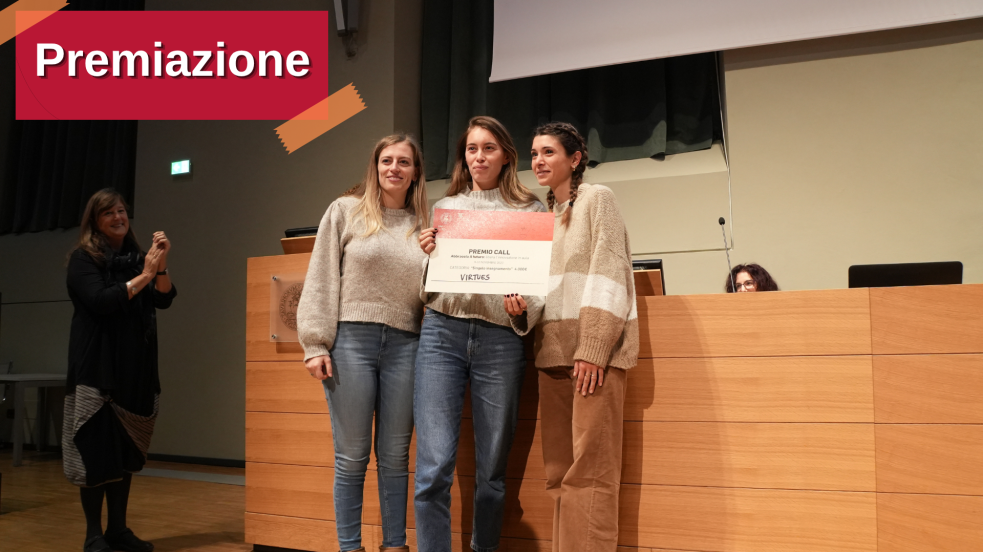
The presentation to the Committee forms an integral part of the assessment procedure and is worth a further 5 points. The assessment process will be followed by the awards ceremony, in accordance with the programme issued by the Teaching and Learning Centre.
All members of the groups admitted to the presentation day on 3 December will be awarded an open badge certifying their skills in the design of educational innovations.
Further organisational details regarding the presentation and awards days will be communicated to the admitted groups after the closing date for applications.
The TLC is offering four grants, each amounting to €12,000.00.
The winning projects must be completed by the end of the 2027/2028 academic year.
The funds may be used exclusively for the activities set out in the approved project. As part of these activities, remuneration may also be provided for technical and administrative staff, non-permanent staff and students, in accordance with the University’s regulations and administrative procedures.
If, at the end of the assessment process, several projects are ranked equally close to the last position eligible for funding, the Teaching and Learning Centre (TLC) may consider awarding additional funding.
The above funding is provided under the MUR 2024–2026 three-year programme ‘TOgether beyond borders’
A journey that continues: Calls 23 and 24
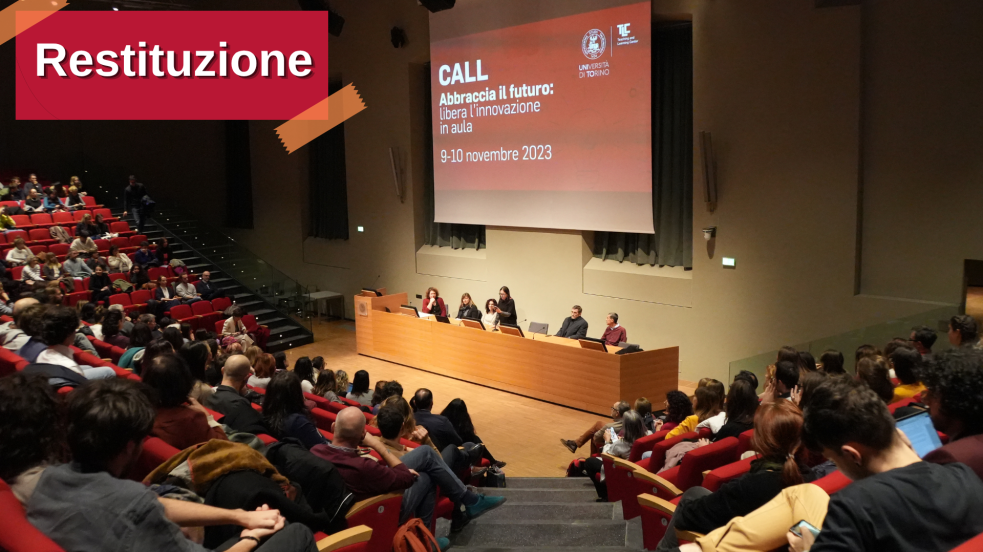
In the Call 2023 – “Embrace the future, unleash innovation in the classroom” – the projects had a significant impact both in terms of methodological innovation, with concrete changes integrated into teaching, and in terms of external outreach, fostering dialogue with European organisations that drew inspiration from the proposals and launched similar collaborations.
As for the Call 2024 – “Interconnecting to Innovate: Building Networks for University Teaching” – the projects, which are still being implemented, are moving towards solutions that integrate digital environments, artificial intelligence, gamification and collaborative tools, with the aim of making learning increasingly active, accessible and participatory.
The results of both editions demonstrate the academic community’s ability to transform ideas and proposals into concrete experiences, with significant effects on improving teaching, participation, interdisciplinary collaboration and the informed use of technology.